|
|
|
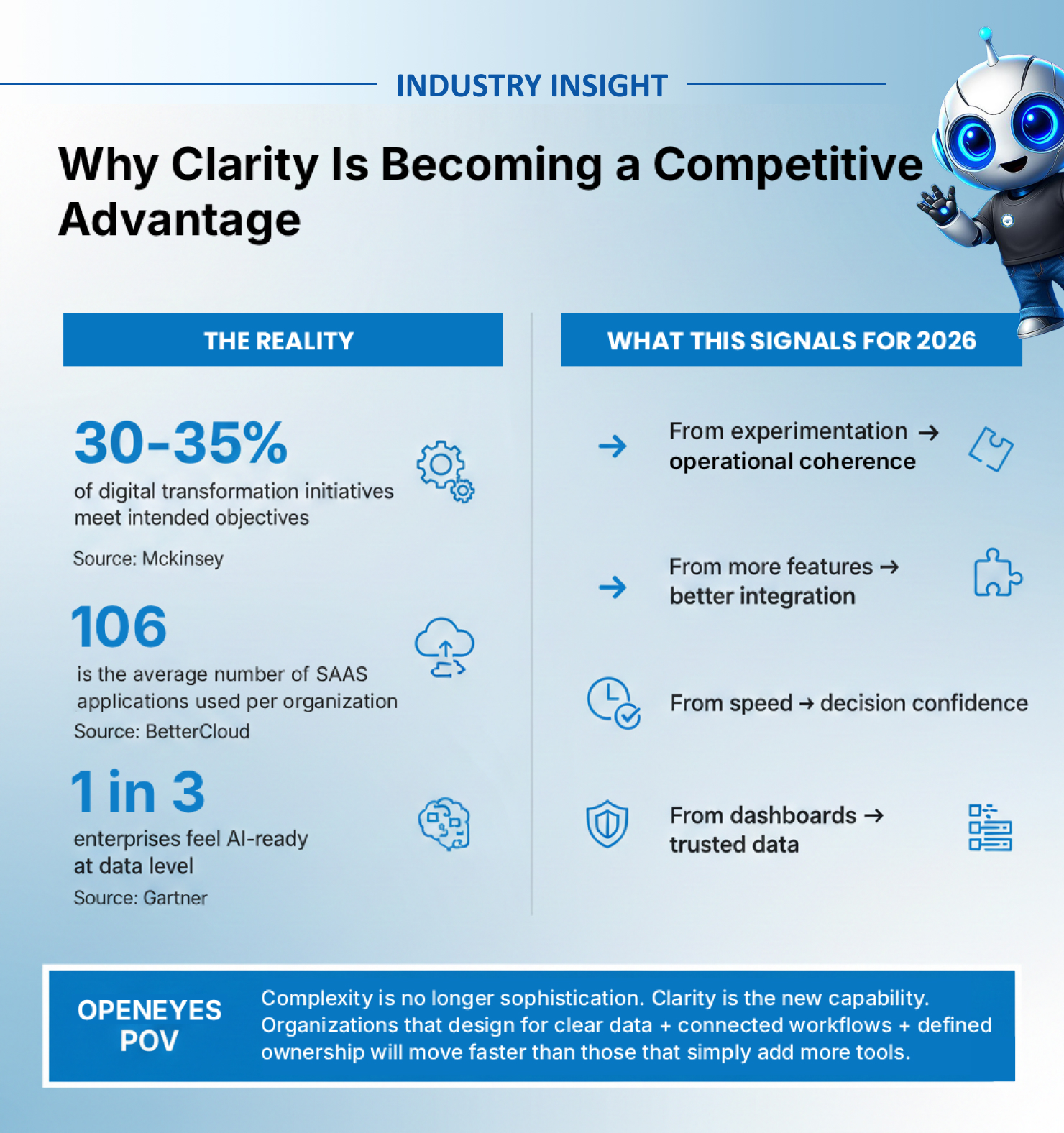
January often pushes us to add more: more tools,
more urgency, more speed. Yet many organizations
are realizing that progress isn’t limited by
innovation, but by clarity.
The strongest performers in 2025 weren’t those
with the most technology, but those with systems
aligned to real needs: flexible, connected, and
built for long-term trust. As digital
environments grew more complex, decision-making
slowed and accountability blurred.
This month we explore a different advantage:
- Systems that
communicate instead of compete
- Workflows
grounded in reality
- Technology that
supports judgment, not noise
The question for 2026 is no longer how much tech
is enough, but how clearly it serves the people
who depend on it.
|
Wade Delk
EVP, Government Services &
Customer Success
|

|
|
|
|
|
|
|
|
|
|
|
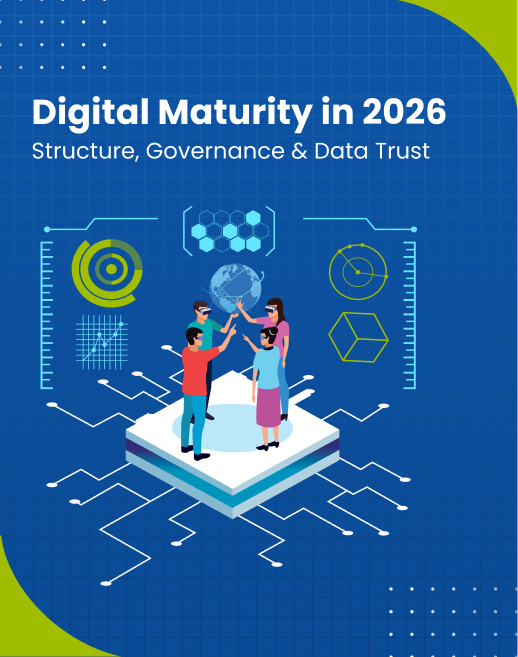
Why Digital Maturity in 2026 Is About Structure,
Not Scale
Digital growth over the past decade rewarded
speed and expansion. In 2026, those same habits
are creating friction. As organizations add
platforms faster than they align them,
decision-making slows, accountability blurs, and
trust in data erodes.
This article explores why true digital maturity
is now defined by structural clarity, how
systems are connected, governed, and owned,
rather than how many capabilities they contain.
It examines how government, education, and
nonprofit organizations are rethinking system
design to reduce fragmentation, strengthen
oversight, and support sustainable growth.

|
|
|
|
|
|
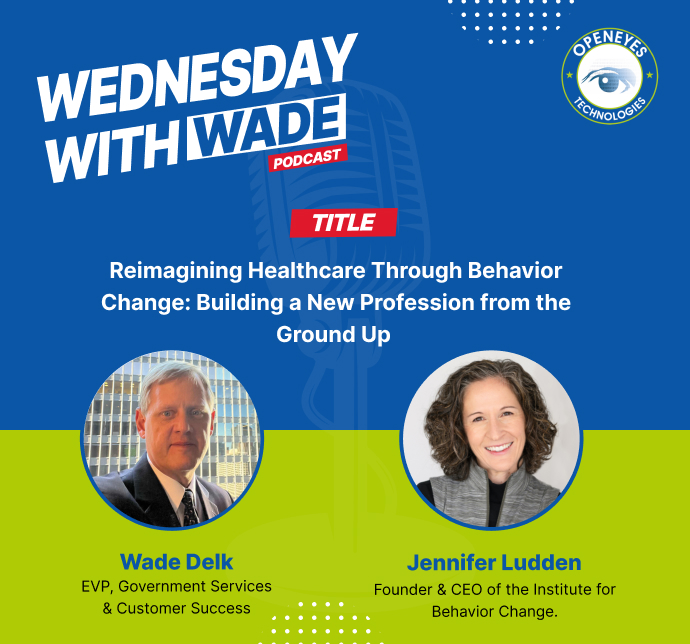
New Episode
Wade Delk is joined by Jennifer
Lundman, Founder
and CEO of the Institute for Behavior Change, to
discuss what it takes to build an entirely new
profession inside a healthcare system not
designed for it. Jennifer shares the journey of
embedding behavior change specialists into
clinical care, challenging the idea that
sustainable patient outcomes can be achieved
without dedicated expertise focused solely on
how people actually change.

|
|
|
|
The image is visualised by AI, Inspired by Us!
|
|
|
|
|

|
GenQue
Automatic
Item Generator
|
|
AI-powered item creation that ensures
quality, consistency, and speed enabling
teams to build smart assessments in a
fraction of the time.
Explore
More →
|
|
|

|
Crown
Credential
Management System
|
|
A secure, streamlined platform that
manages the full credentialing journey,
from applications to certifications to
renewals, all in one place.
Explore
More →
|
|

|
Merit
Competency
Model
|
|
Insight-rich competency frameworks that
drive performance and growth with faster
grading, smarter assessments, and
actionable analytics.
Explore
More →
|
|
|

|
Vault
Item
Bank
|
|
A centralized, version-controlled
repository that organizes test items for
effortless access, collaboration, and
continuous improvement.
Explore
More →
|
|

|
WeSpeak
Discussion
Board
|
|
An interactive environment that brings
learners and educators together through
shared ideas, questions, and real-time
engagement.
Explore
More →
|
|
|

|
Census
Survey
Platform
|
|
A dynamic survey solution that turns
feedback into intelligence, with tools
to build, launch, and analyze responses
instantly.
Explore
More →
|
|
|
|
|
|
|
January 2026 brought both momentum and caution across tech and
society. A Chinese startup disrupted the AI landscape with
low-cost, high-performance models, while organizations using AI
copilots reported significant productivity gains. Healthcare saw
a breakthrough as Novartis advanced a new therapy for Sjögren’s
disease, and European cities recorded measurable air-quality
improvements through electric transport.
Yet challenges grew, AI-driven scams surged in e-commerce,
concerns rose over data-center energy demand, and global trade
bodies warned that high financing costs could widen digital
inequality. The month underscored a familiar tension: rapid
innovation racing ahead of trust, governance, and
sustainability.
|
|
|
Certifications
|
Partnerships
|
|
|
|
USA: Washington D.C. |
Sterling VA
|
INDIA: Vadodara | Gandhinagar
|
|
© 2025 OpenEyes
Technologies. All rights reserved.
Unsubscribe
|
|
|
|